Most teams call it a UX problem when users are actually confused about what this is, who it is for, and what to do next. And because we are designers, our instinct is to reach for the interface. We audit flows, tweak hierarchy, refine components, and polish interactions. That work matters. But it can also become a distraction when the real failure is comprehension. The Difference Between Usability And Clarity A usability problem is when…
If I am stuck on a UX problem, I do not open Figma first. I open a blank line in a text file. Here is the uncomfortable truth. If you cannot explain what you are designing in one sentence, you are probably not designing yet; you are decorating, guessing, or hiding behind process. This is the one-sentence UX test. It is simple. It is annoying. And it works. The Test Write one sentence that answers:…
If you’ve ever heard someone say, “Can you make it more UX?” when they really meant, “Can you make it look nicer?” you’re not alone. UX (User Experience) and UI (User Interface) often get mixed up because they’re closely connected. But they’re not the same thing, and confusing them can lead to products that look great and still frustrate people. This post will clear it up in plain language, with a simple example you can…
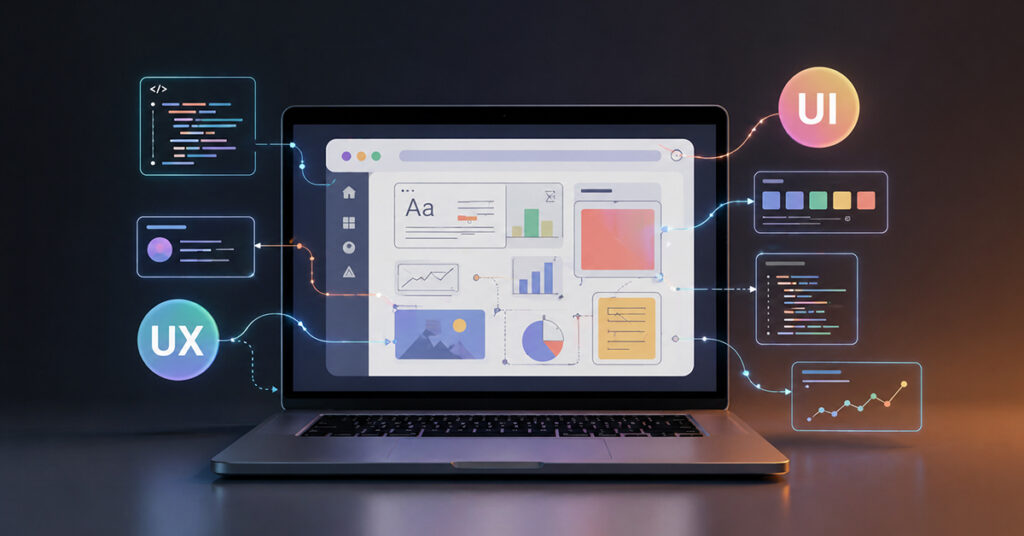
A lot of people treat UX, UI, and development like separate lanes. One person designs the experience. Another person designs the interface. Another person builds it. Then the project is handed off, and everyone hopes it comes together as intended. I’ve never really worked that way. Over the years, through teaching, agency work, and client projects, I’ve found that the best outcomes usually happen when UX, UI, and development thinking are all part of the…
Experience design is about creating a positive human outcome through levels of engagement and satisfaction relevant to their environment and needs.