“UX is dead” is mostly a headline. What is real is that the easy parts of the job are getting automated, and the hard parts are becoming the job.
In 2026, you can generate UI drafts, flows, and microcopy faster than ever. You can summarize research, spin up variants, and get to “something decent” in minutes. That is not hype. That is the new baseline.
So if your value has been speed, volume, or being the person who can crank out screens, it makes sense that the ground feels shaky.
But experience design is not dying. It is growing up. The role is shifting from deliverable maker to decision maker: framing the right problem, making tradeoffs visible, building trust, and shipping experiences that hold up in the real world.
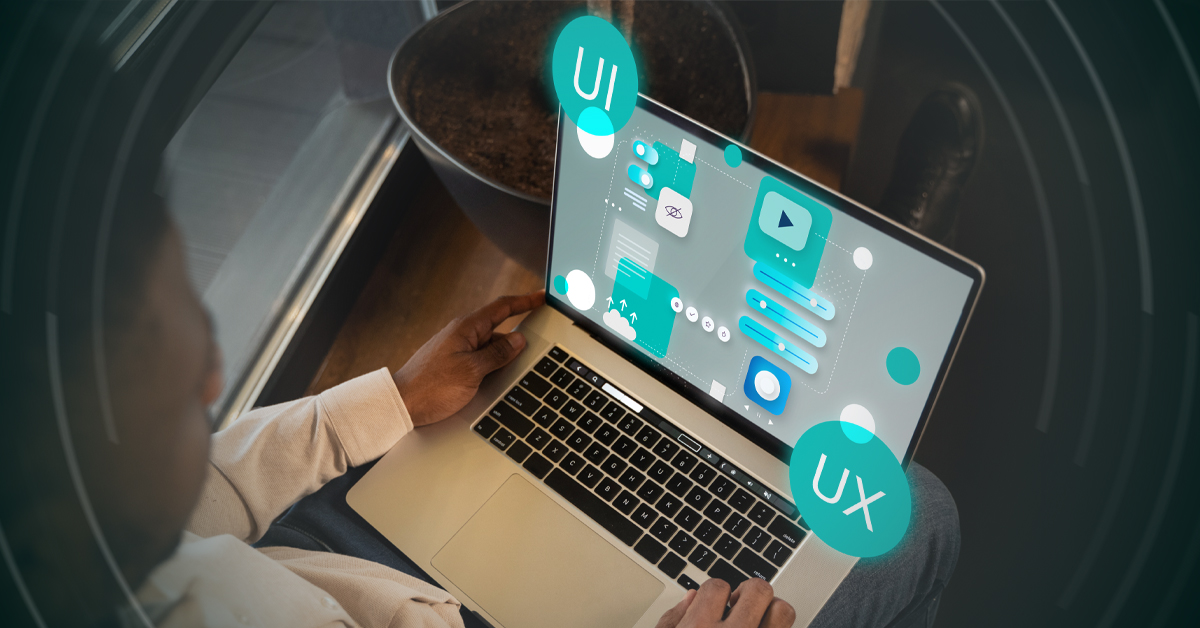
Quick note on terms: when I say “experience design,” I mean the umbrella term for UX and UI. In practice, they are on the same board now. The best work blends interaction, visual design, content, and systems thinking into one cohesive product experience.
What changed (and why it feels like whiplash)
1) AI did not kill design. It killed some design theater.
AI can produce options. Lots of them. And that is exactly why the “busy work” that used to signal productivity is getting exposed.
If your contribution is mostly:
- High volumes of screens
- Polished prototypes that never ship
- Being the “Figma person” in the room
Then yes, AI will feel like a threat.
But if your value is:
- Defining the real problem before the team builds the wrong solution
- Reducing risk early (before engineering time gets expensive)
- Making tradeoffs visible and intentional
- Protecting users from confusing, harmful, or manipulative experiences
- Aligning teams around what “good” means
AI does not replace you. It amplifies you.
The uncomfortable truth is that AI raises the bar on taste, strategy, and judgment. It does not lower it.
2) Speed became the default, and it is exposing weak decision-making
Teams ship faster now. Tooling is better. Design systems are more mature. Engineering workflows are more automated. The pace is great until it isn’t.
When everything moves quickly, the cost of unclear thinking goes up:
- Vague requirements turn into expensive rework.
- “We will test later” becomes “We shipped it, so now we are stuck with it.”
- “It looks clean” becomes the only success metric.
Experience design in 2026 is less about “making a flow” and more about making decisions that hold up under pressure.
3) Trust is a feature now (not a brand value)
Users are more skeptical. They have been burned by dark patterns, confusing pricing, subscription traps, and products that feel optimized for metrics instead of people.
So the experience is no longer just about usability. It is:
- Clarity
- Consent
- Transparency
- The feeling that the product is on the user’s side
Designers who can build trust into the interface, through content, interaction, and honest UX, are becoming more valuable, not less.
4) Accessibility stopped being “extra.”
Accessibility is less of a checkbox and more of a competency. Not because everyone suddenly became more ethical (though I hope so), but because:
- Regulations are tightening
- Lawsuits are real
- Inclusive experiences are simply better experiences
If you are still treating accessibility as a last-minute audit, you are behind. The designers who stand out now build it into the work from the first sketch.
What did not change (and what still wins)
Even with all the new tools and pressure, the core has not changed.
Experience design is still about reducing friction for humans trying to do something that matters to them.
The craft still rewards people who can:
- Listen deeply
- See patterns
- Ask better questions than everyone else in the room
- Translate messy reality into something usable
The difference in 2026 is that you are expected to do that while also understanding constraints, systems, and outcomes.
The contrarian truth: UX is not dying, it is merging with reality
For a long time, UX could live in a protected bubble:
- Research decks
- Journey maps
- Prototypes
- Workshops
- Alignment sessions
Those things can be useful. But too often, they became a substitute for shipping.
In 2026, the market is less patient with the performative process. Teams want designers who can connect the dots from insight to decision to build to measurement to iteration.
That is not the death of UX. That is UX becoming what it always claimed to be.
What experience designers should lean into in 2026
If you are a UI/UX designer reading this and wondering how to stay relevant, here is what I would double down on.
- Problem framing: Define the real problem before you design a beautiful solution to the wrong one.
- Writing and clarity: Microcopy is UX. Naming is UX. Error states are UX.
- Systems thinking: Understand how design systems, content systems, and product constraints shape the experience.
- Research literacy: You do not need to run every study, but you do need to know what “good evidence” looks like.
- Ethics and trust: Design for long-term relationships, not short-term conversion spikes.
- Collaboration with engineering: The best experiences are co-built, not tossed over a wall.
- Taste and judgment: AI can generate options. You need to choose what is right.
The bottom line
If experience design feels harder in 2026, it is because it is.
But it is also more meaningful.
The role is shifting from designer as deliverable maker to designer as decision maker, someone who can shape what gets built, why it gets built, and how it affects the people using it.
That is not a downgrade. That is the job.